$0
0
0

THE HOUSE

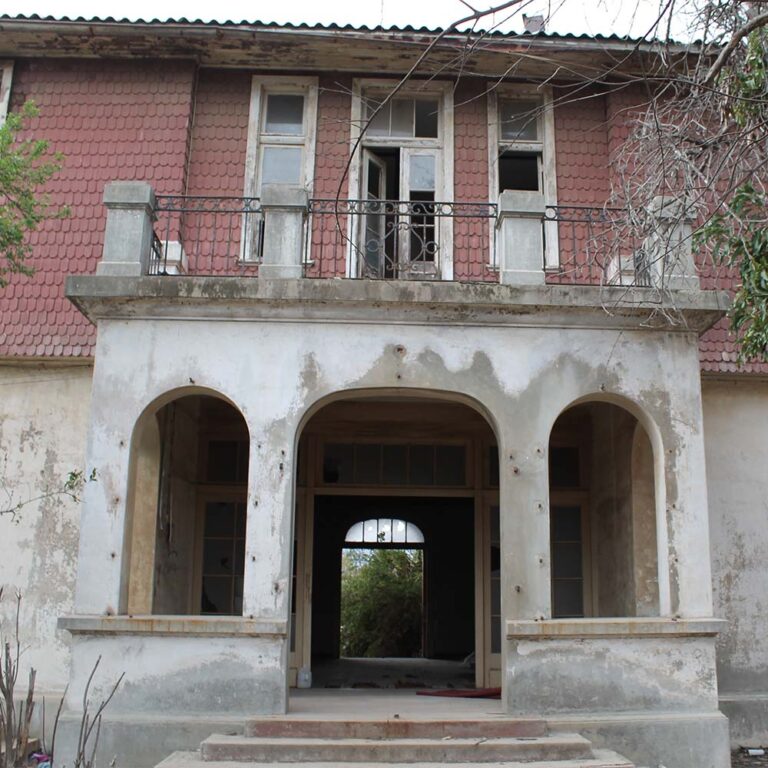
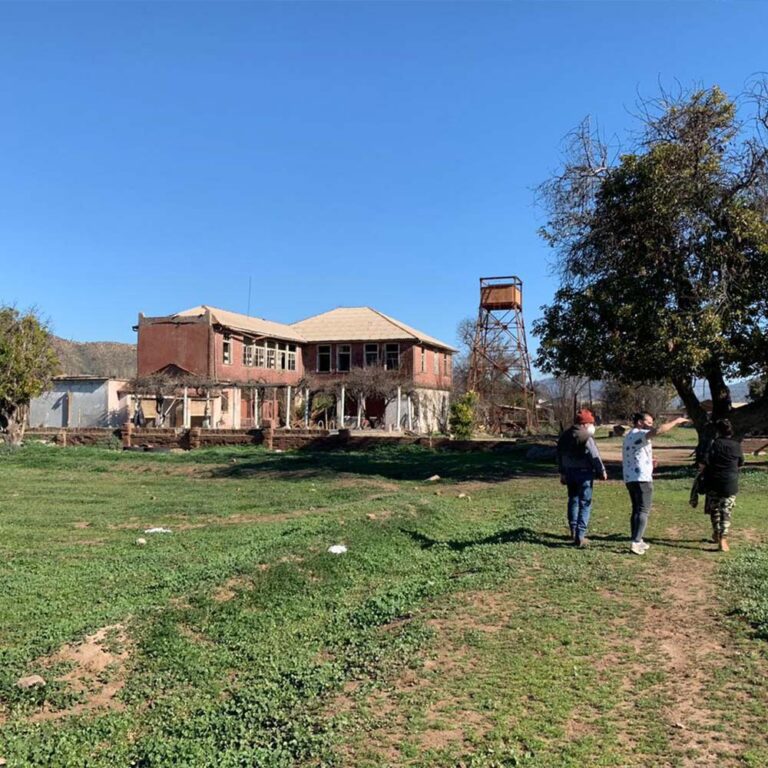
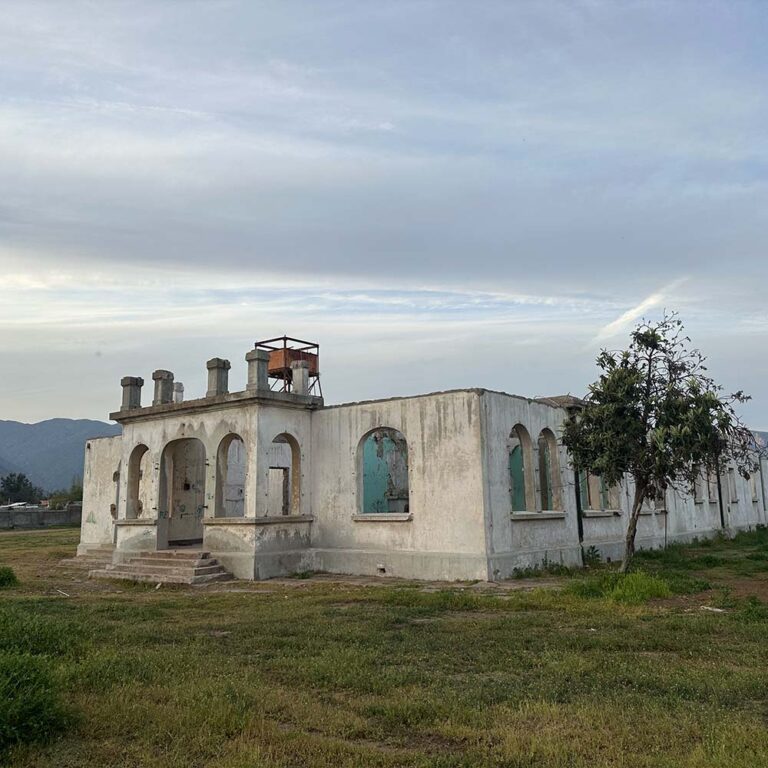
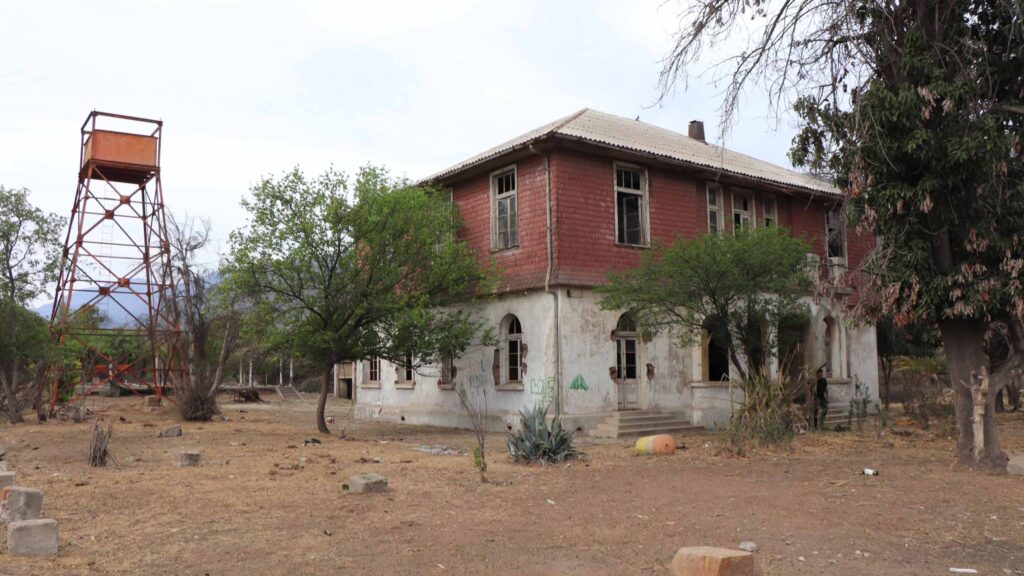
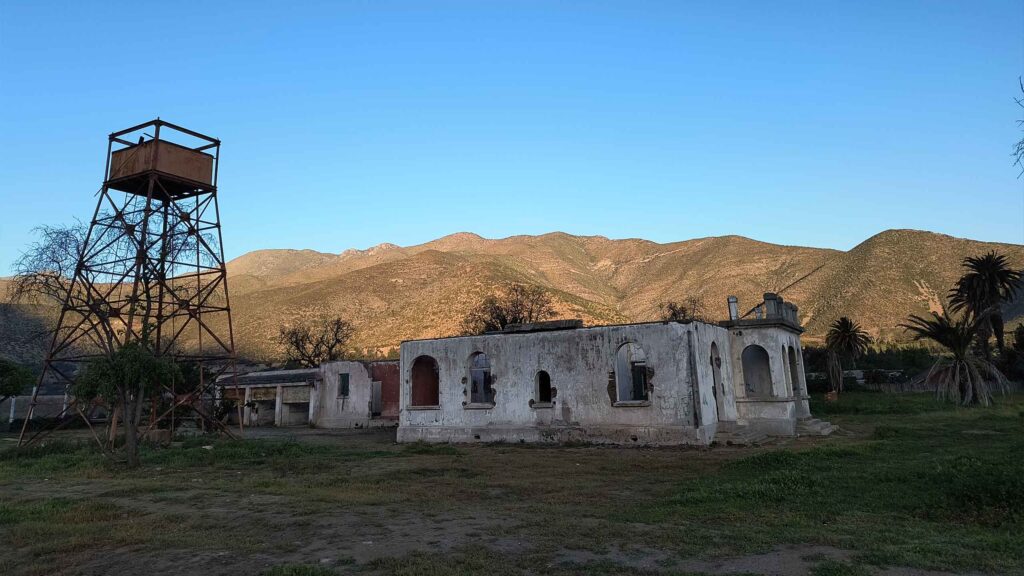
The heart of Casa Padic is the historic country house acquired by Patricio Collao in 2020, with the vision of restoring it and developing an agricultural project on its land. Despite years of dismantling and neglect, its walls still hold a long and mysterious history.

Known locally as “El Chalet”, its construction dates back to the late 1930s, when the Chilean Tobacco Company established operations in Catemu to cultivate tobacco plantations.

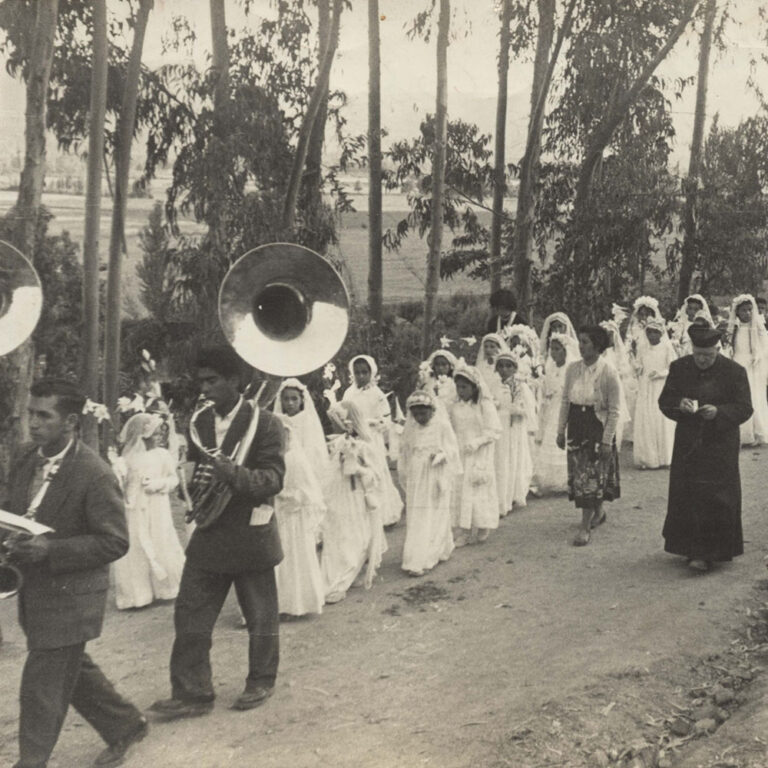
With 36 rooms, one of its most distinctive features was its grand wooden staircase, along with an underground cellar used to store wine and food, and a grotto built for religious gatherings. Local residents fondly recall being invited to pray there, surrounded by pergolas that provided shade during warm days. They also remember family celebrations where neighbors were warmly welcomed—moments that became symbols of community and joy.

Today, Casa Padic seeks to restore its dignity and once again make it a symbol of community and gathering.

A GLIMPSE INTO
HIS HISTORY

1897

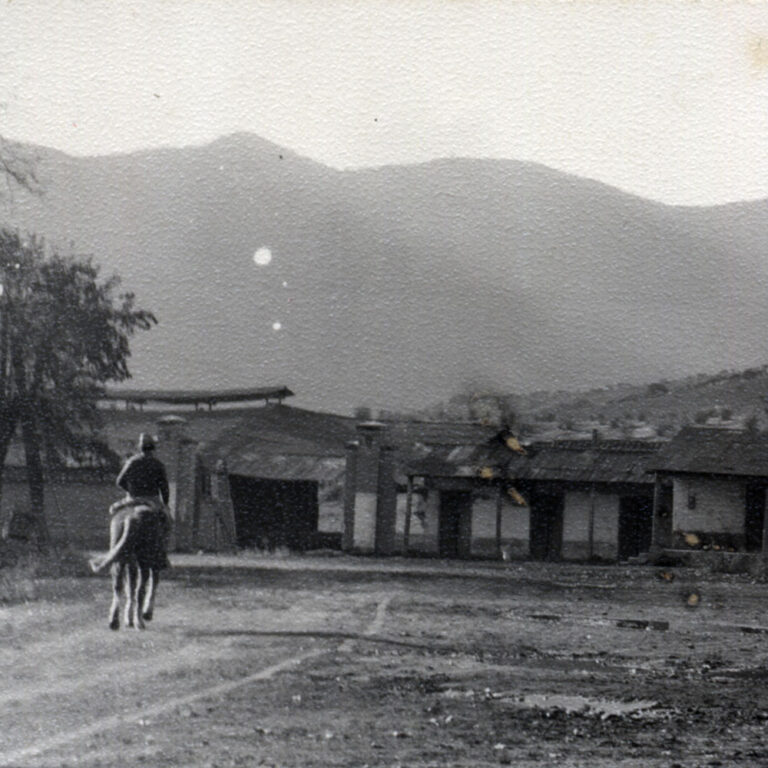
The history of the estate begins when it was part of the old Fundo Las Vacas. Its first owner was Javier García Huidobro Eyzaguirre, and it was later inherited by his daughter Marta. Shortly after, it was sold to brothers Francisco Javier and Alfredo Riesco.
casa-padic-timeline-01
1914

After the death of Francisco Javier Riesco—who had become its sole owner—the property was inherited by his son Alberto. At that time, Fundo Las Vacas was a large expanse of fertile land: 390 irrigated blocks and 5,000 blocks of hills, with various crops; a dairy farm with 100 cows and a production of 20,000 bales of alfalfa. All powered by a modern 30HP turbine. The place had warehouses, sheds, housing for workers, and even electric light, which was significant for that era.

casa-padic-timeline-02
1928

Alberto Riesco sold Fundo Las Vacas to the Compañía Chilena de Tabacos, which established itself in the area to exploit tobacco plantations. This imposing residence housed not only the managers and their families but also the servants, featuring 36 rooms distributed within.

casa-padic-timeline-03
1937

The Caja de Colonización Agrícola purchased the property—which had been expanded with neighboring lands—for more than 6 million pesos and radically transformed it: it parcelled the flat and irrigated part, giving land to new settlers. A year later, this change was formalized with deeds before a notary in Santiago, and since then, the historic estate adopted the name that endures to this day: La Colonia.

casa-padic-timeline-05
1940 - 2019

The estate changed hands many times over the years. One of the first known owners was Alfredo Figueroa, whose heirs sold it to Manuel de la Puerta. Later, his sister inherited the property and sold it to Juan Mena, who eventually transferred it to Wenceslao Lobos—the last owner before Don Patricio Collao.

casa-padic-timeline-04
2020

The estate changed hands many times over the years. One of the first known owners was Alfredo Figueroa, whose heirs sold it to Manuel de la Puerta. Later, his sister inherited the property and sold it to Juan Mena, who eventually transferred it to Wenceslao Lobos—the last owner before Don Patricio Collao.

casa-padic-timeline-06
2023

The vineyard planting project began, thus shaping Don Patricio's dream: to produce and create wines that faithfully reflected the land that raised him. A year later (2024), Don Patricio unexpectedly passed away, and it was his sons—Patricio and Diego—who realized their father's dream by creating Viña Casa Padic.

casa-padic-timeline-07

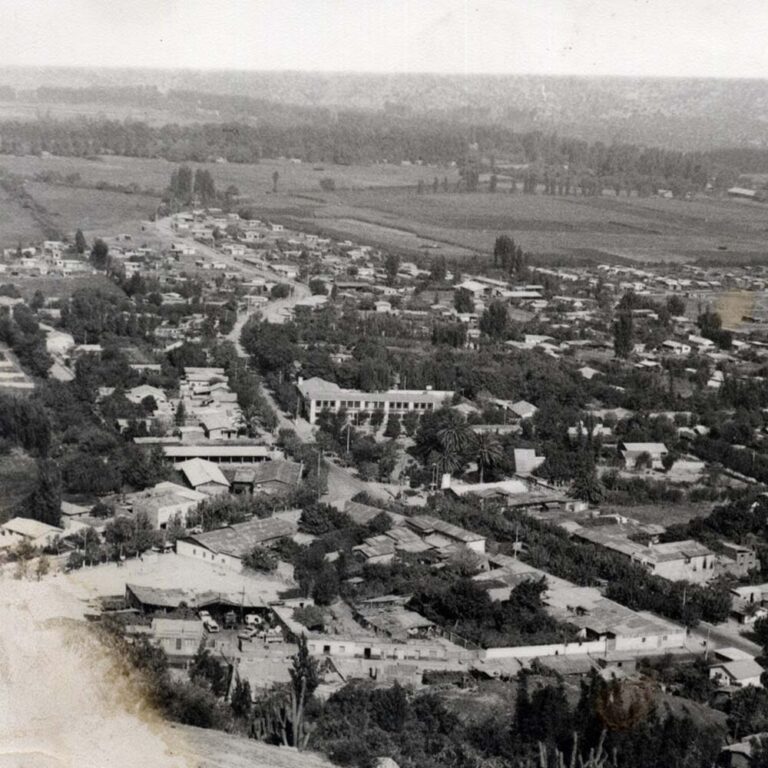
Fotos de Catemu antiguo. Archivos de la Biblioteca Municipal de Catemu y documentos de Carlos Gómez Lazcano.

A GLIMPSE INTO
HIS HISTORY

casa-padic-timeline-01
1897

The history of the estate begins when it was part of the old Fundo Las Vacas. Its first owner was Javier García Huidobro Eyzaguirre, and it was later inherited by his daughter Marta. Shortly after, it was sold to brothers Francisco Javier and Alfredo Riesco.
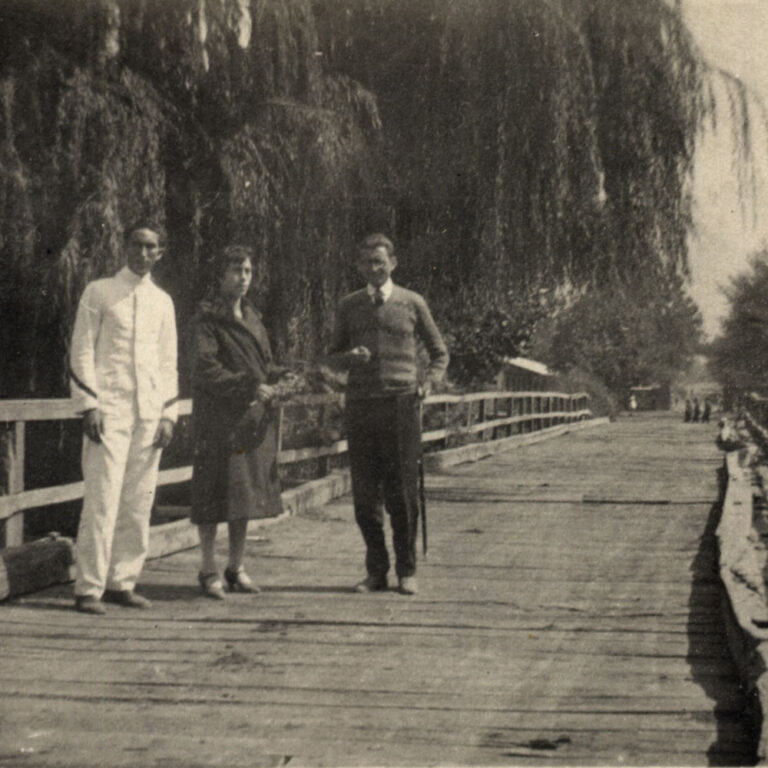
casa-padic-timeline-01
casa-padic-timeline-02
1914

After the death of Francisco Javier Riesco—who had become its sole owner—the property was inherited by his son Alberto. At that time, Fundo Las Vacas was a large expanse of fertile land: 390 irrigated blocks and 5,000 blocks of hills, with various crops; a dairy farm with 100 cows and a production of 20,000 bales of alfalfa. All powered by a modern 30HP turbine. The place had warehouses, sheds, housing for workers, and even electric light, which was significant for that era.

casa-padic-timeline-02
casa-padic-timeline-03
1928

Alberto Riesco sold Fundo Las Vacas to the Compañía Chilena de Tabacos, which established itself in the area to exploit tobacco plantations. This imposing residence housed not only the managers and their families but also the servants, featuring 36 rooms distributed within.

casa-padic-timeline-03
casa-padic-timeline-05
1937

The Caja de Colonización Agrícola purchased the property—which had been expanded with neighboring lands—for more than 6 million pesos and radically transformed it: it parcelled the flat and irrigated part, giving land to new settlers. A year later, this change was formalized with deeds before a notary in Santiago, and since then, the historic estate adopted the name that endures to this day: La Colonia.

casa-padic-timeline-05
casa-padic-timeline-04
1940 - 2019

The estate changed hands many times over the years. One of the first known owners was Alfredo Figueroa, whose heirs sold it to Manuel de la Puerta. Later, his sister inherited the property and sold it to Juan Mena, who eventually transferred it to Wenceslao Lobos—the last owner before Don Patricio Collao.

casa-padic-timeline-04
casa-padic-timeline-06
2020

The estate changed hands many times over the years. One of the first known owners was Alfredo Figueroa, whose heirs sold it to Manuel de la Puerta. Later, his sister inherited the property and sold it to Juan Mena, who eventually transferred it to Wenceslao Lobos—the last owner before Don Patricio Collao.

casa-padic-timeline-06
casa-padic-timeline-07
2023

The vineyard planting project began, thus shaping Don Patricio's dream: to produce and create wines that faithfully reflected the land that raised him. A year later (2024), Don Patricio unexpectedly passed away, and it was his sons—Patricio and Diego—who realized their father's dream by creating Viña Casa Padic.

casa-padic-timeline-07

Fotos de Catemu antiguo. Archivos de la Biblioteca Municipal de Catemu y documentos de Carlos Gómez Lazcano.